The Difference between CX as an Initiative and CX as Infrastructure
Why a customer-first, end-to-end approach is no longer optional - it's your competitive advantage.
When we talk about customer experience (CX) in residential property, what are we really referring to?
When we talk about customer experience (CX) in residential property, what are we really referring to?
Is it the brand-led collateral that accompanies the move-in process? The tone and presentation of your onboarding journey? The design narrative that carries through amenity spaces?
These may form part of the experience but are not the experience itself. True, seamless CX is about coherence, consistency and care, not just curated moments.
Because today's buyers and renters expect more. They judge your brand on how you make them feel at every stage of the journey.
Our own Customer First Forum research found that:
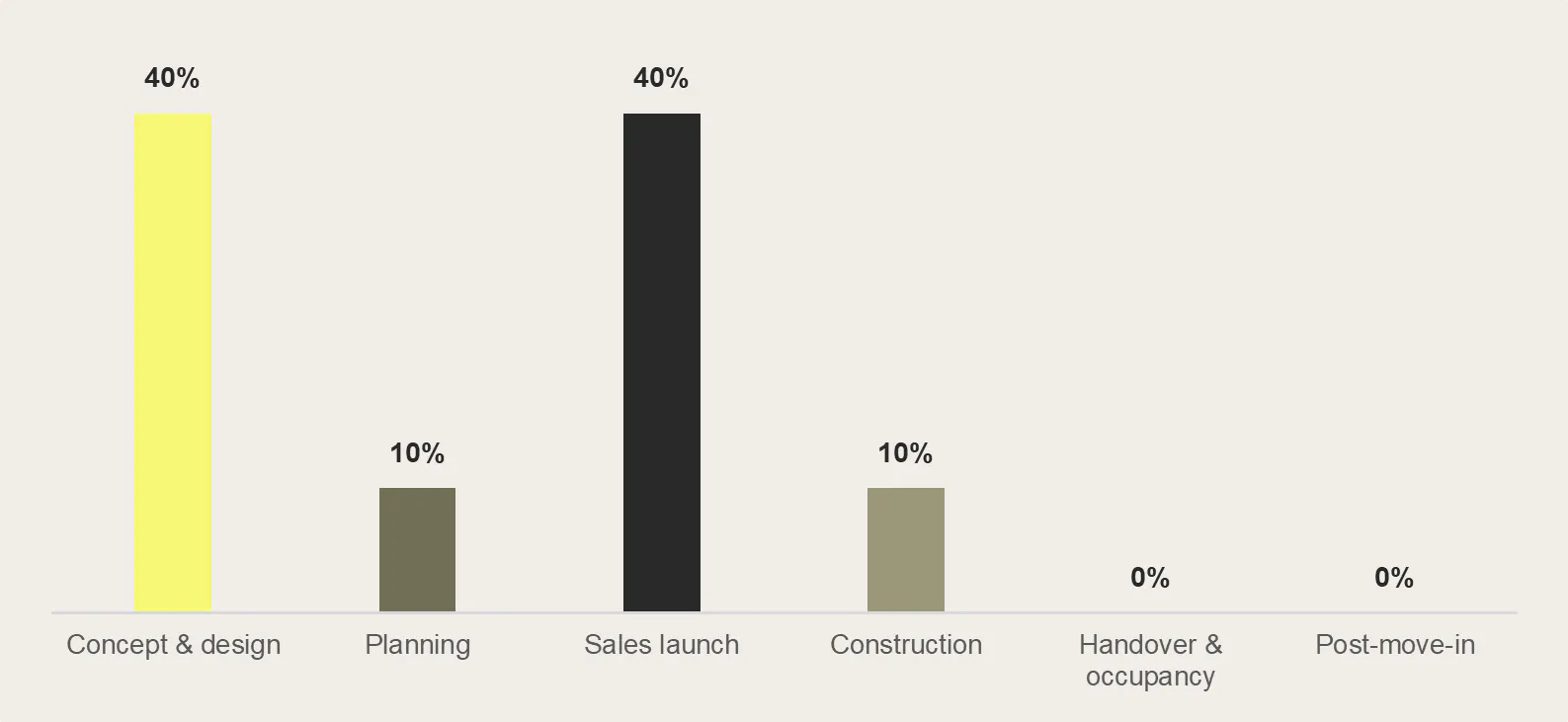
- Only 40% of residential developers consider CX at the design or planning stage.
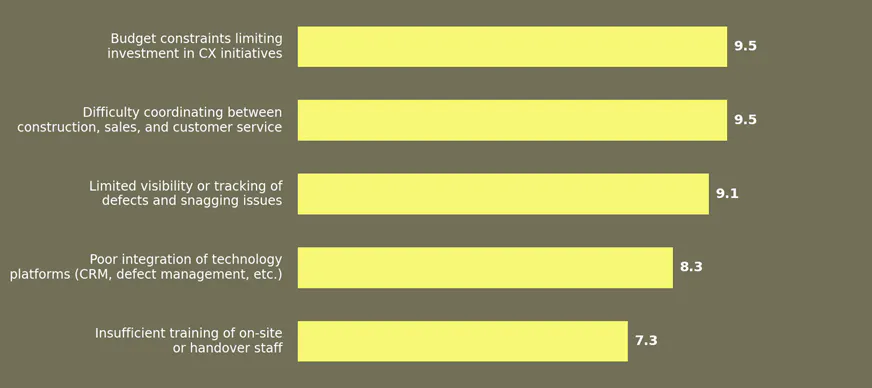
- Top challenges include a lack of CX ownership, poor tech integration and difficulty coordinating between construction, sales, and service teams.
Meanwhile, the wider evidence is clear:
According to PwC's Future of Customer Experience report, 32% of customers would stop doing business with a brand they loved after just one bad experience - a finding that translates directly into the residential sector, where repeat occupation, renewal and referral are critical to long-term asset performance.
In the UK's build-to-rent sector, the commercial case for CX is quantifiable. According to the British Property Federation and UKAA, BTR retention rates stand at 53%, compared to 48% in the private rented sector, and independent research published in 2025 found that 18% of prospective BTR residents who view a property never receive any follow-up contact, representing significant measurable revenue leakage for operators.
As research by Frederick Reichheld of Bain & Company (also cited by Harvard Business Review) has shown, a 5% increase in customer retention can boost profits by between 25% and 95%. The principle holds across sectors, including residential property, where repeat customers, renewals and advocacy directly affect returns.
At Conductor CX, we define elevated CX in property as the intelligent, human-first design and delivery of customer journeys across the full lifecycle, not just at handover.
It's not owned by marketing, ops, or sales - it's a company-wide mindset.
- It means understanding what your customers actually want, through smart insight and journey mapping.
- Aligning your brand, teams and tech stack under a single CX vision.
- Building journeys that are proactive, not reactive, with real-time visibility and follow-through.
- Making customer care feel like an extension of your brand, not a fire-fighting function.
As one CX leader put it in our Customer First Forum:
"We need to move away from a box-ticking mindset to something proactive and genuinely customer-led. There's a lot the sector could learn from hospitality - especially around personalisation and trust."
And another:
"We should stop building a product and then adding the customer in afterwards. Build around them from the start."
So What Can We Learn from the Best in Hospitality?
If property is still catching up, the hospitality sector has long understood the commercial power of experience.
The operational principles translate directly to residential - and the results speak for themselves.
Take the Ritz-Carlton, for example:
- Their CX playbook empowers every employee to spend up to $2,000 per guest to resolve complaints, no manager sign-off required.
- They operate with Gold Standards across every site globally, ensuring delivery is aligned with emotional connection, not just functional response.
- This level of empowerment leads to significantly higher guest loyalty, lifetime value, and advocacy - metrics that are now directly tracked against revenue.
What if residential developers treated residents more like long-term guests than short-term transactions? And, what if systems, processes and tech stacks were set up to support teams’ spending more time on human interaction?
It's the difference between CX as an initiative and CX as infrastructure.
Final Thought: The Experience Advantage
In a crowded, product-led market, customer experience is the most under-leveraged competitive edge.
It builds loyalty when price can't. It creates differentiation when products blur. It turns one-time buyers into advocates.
So the real question isn’t whether to invest in CX. It’s whether you treat it as an initiative - or build it as infrastructure.